Futurlative HQ —Antwerp

Brands operating within the garden and plant care category all vie for the same claims: the best pest control, the most qualitative and durable product, the longest-lasting battery, the easiest to use…
But when everybody claims to be the best in their category, who actually wins?
Chinese manufacturers have quietly entered the European market through social channels, and their mix of technical expertise and frictionless pricing is pushing everyone else off the field.
So let’s decode deeper consumer needs, let’s look at the reasons why consumers fall for gardening and green life in the first place. Or how brands could actually empower consumers to a greener life instead of selling their products.
The untapped potential sits deeper.
This new green generation grew up under a cloud of anxiety. Forrest fires, extinction, and climate doom thinking dominate all media while conscious Greta’s everywhere raise existential questions about what their future will look like.
The lack of eco-progress and responsibility on a geopolitical and multinational scale turned gardening from simply a source of food or a hobby into a way to take matters into one's own hands. As a way to contribute to a better climate, a shorter food chain, better soil, a cooler city…
But also into a form of quiet protest. Just look at the rise of guerrilla gardening, where people are planting abandoned public spaces on purpose. A counter-movement against concrete, construction, and the complete absence of green in the concrete jungle.
Brands don’t have to collaborate in "illegal" planting, but they can advocate for a greener city, invest in more public green spaces, and swap abribusses for communal gardens.
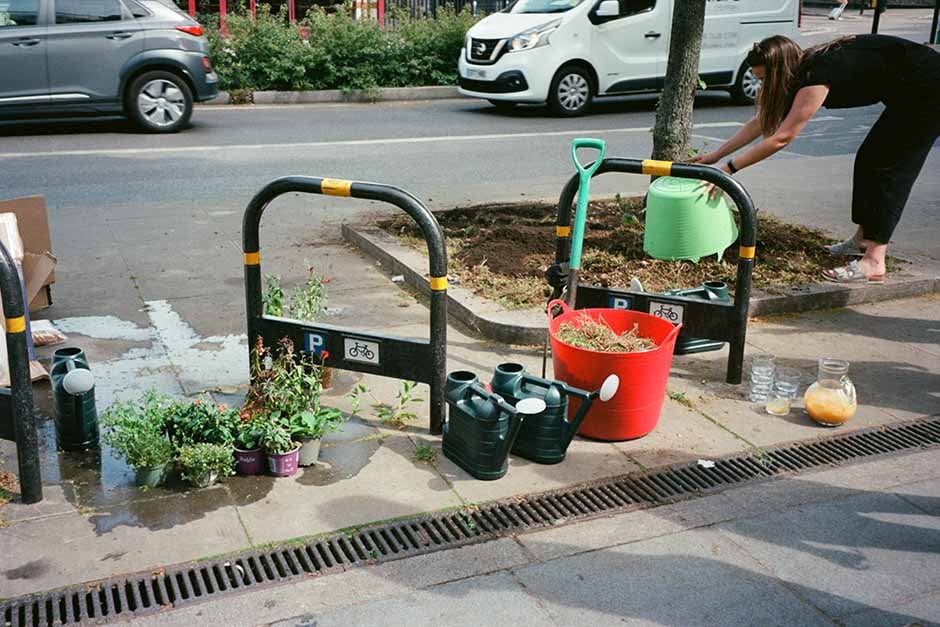
But relevance doesn’t have to be radical. The meaning of “garden” is shifting from private paradise to shared green sanctuary. A communal gatherground that redefines shared gardens and public green spaces as spaces for connection, knowledge exchange, learning and learning. Spaces for workshops, neighborhood compost hubs, or near-city food forests create a tight community. Brands that know how to build or nurture these spaces no longer need to chase individual cohorts; they’re tapping into culture through an engaged community.
From activism to empathy.
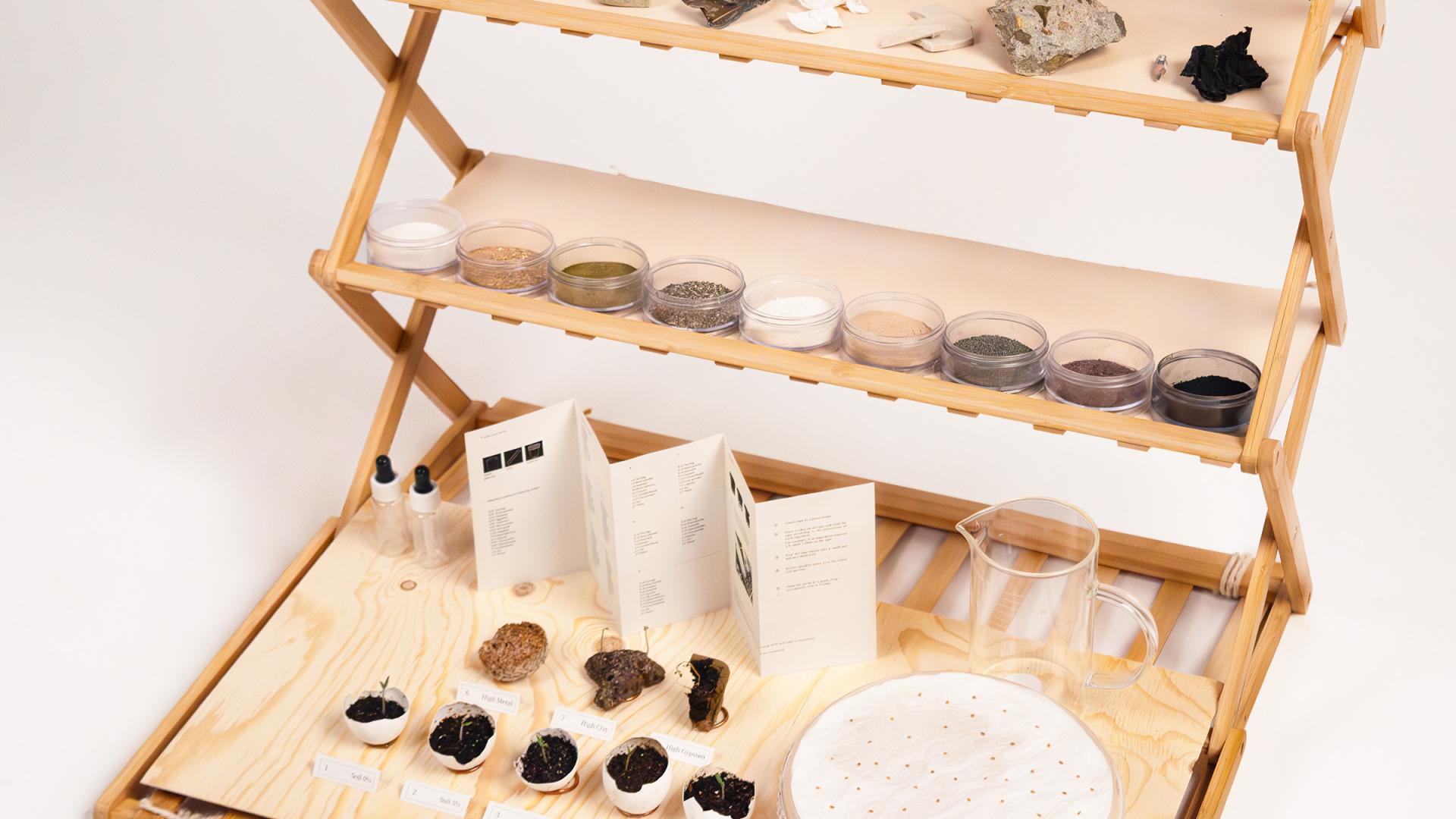
We don’t need to start donating all profits to the climate. Showing that you actually care and practice eco-progress as a brand is a big step forward. Let’s draw inspiration from Huachen Xin’s SmogShade that actively monitors and visualizes air pollution in cities. Visual awareness creates tumult and thought. Initiatives like Soil Recipe (link) enable people to transform waste into soil through grinding and composting with workshops and recipe books.

The need for rest and ritual.
People are longing for rest, balance, and ritual. According to a global study, 84% of respondents believe it’s important to find micro moments of joy. Small positive daily moments that boost our morale and mindset. Brands can translate that need for rhythm and calm into culturally fitted products and practices: monthly seed kits, balcony-level herbal meditation, or micro plant care rituals.
Offline wins.
Against the backdrop of permanent screen time, the appeal of dirt under your nails and watching something grow—slowly—is stronger than ever. Gardening forces presence. Patience. Attention. And it offers a sensory, non-digital alternative to the dopamine drip of your phone. Brands that create garden kits for digital detox, real-life workshops, or tactile how-tos meet this emotional need head-on.
In parallel, research by the Royal Horticultural Society shows that kids who garden at school not only eat healthier, but also develop stronger ecological awareness and empathy. Projects like The Edible Schoolyard in the US or the school gardens in Ghent prove one thing clearly: kids who learn to garden young, grow up seeing food, nature, and ownership differently.
So here’s the real challenge for garden brands:
Stop debating who has the best tool, start asking bigger questions:
Ideas worth growing:
The future of garden brands won’t be won by better tools. But by those who dare to dig deeper into culture, emotion, and community. Brands that understand this won’t just stand out. They’ll transform the entire category.